6 Traditional African Games You Should Know: Their Rules, Origins and Cultural Significance
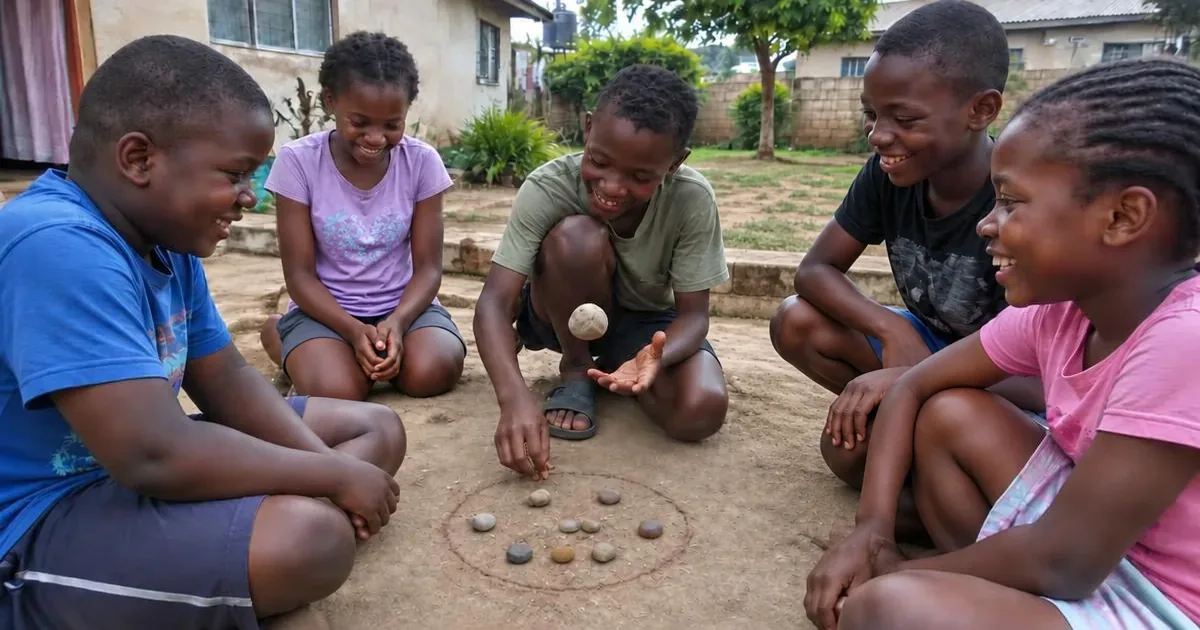
Long before smartphones, gaming consoles and online multiplayer games became part of everyday life, children across Africa had their own ways of having fun.
A handful of stones, a piece of rope, a wooden board or a simple patch of open ground could provide hours of entertainment.
Traditional African games have been passed down through generations, bringing children, families and communities together. Some involve physical movement and coordination, while others challenge players to think strategically, remember patterns or outsmart their opponents.
From Zimbabwe's traditional pebble games to Ghana's strategic board games and East Africa's strategic board games, the continent has a remarkable variety of ways to play.
But these games are more than entertainment. They are part of cultural heritage, carrying local names, traditions, memories and different ways of learning through play.
In this guide, we explore six games enjoyed across African communities, how they are played and why they continue to deserve recognition.
What Are Traditional African Games?
Traditional African games are recreational activities that have developed within different African communities and been passed down through generations.
They vary significantly between countries, regions and cultural groups. Some are played outdoors using stones, sticks or ropes, while others involve specially designed boards and playing pieces.
Many traditional games require very little equipment. Their rules are often learned by watching others, practising with friends and gradually developing the skills needed to play.
Examples include pebble-catching games, strategy board games, jumping games, running competitions and team activities.
Although each game has its own identity, many share something important: they bring people together through play.
6 Traditional African Games
1. Nhodo – Zimbabwe
Country: Zimbabwe
Associated heritage: Shona
Type: Pebble-catching and coordination game
Equipment: Small stones and one larger pebble
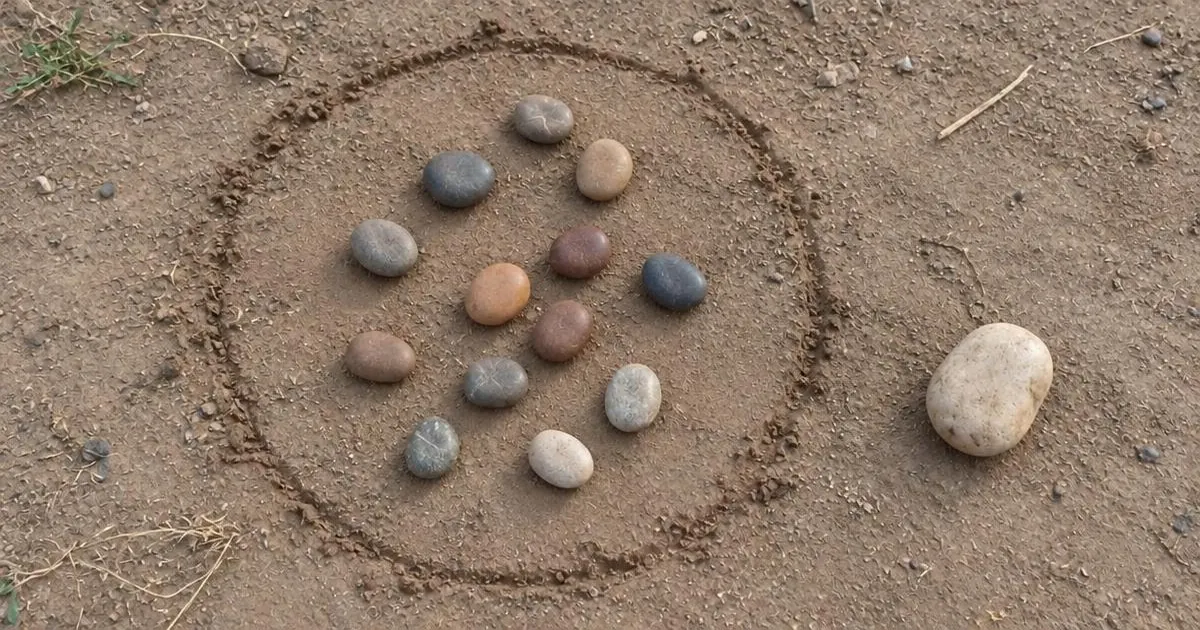
Nhodo is a traditional Zimbabwean pebble game associated with Shona culture. It is a game of timing, coordination, concentration and precision.
The game uses several small pebbles and one larger pebble, which acts as the throwing stone.
Players throw the larger pebble into the air and perform actions with the smaller stones before catching it.
Depending on the local variation, players may pick up, move, separate or reposition smaller stones in a playing area while the larger pebble is airborne.
The challenge increases as players progress through different stages, requiring quicker reactions and more accurate movements.
Nhodo is a wonderful example of how something as simple as a handful of stones can create a challenging and competitive game.
It also represents a part of Zimbabwean childhood that deserves to be remembered and shared with younger generations.
Why people enjoy it: Nhodo combines timing, hand-eye coordination, concentration and skill in a simple but challenging format.
Discover Nhodo: Explore the traditional game and its modern mobile adaptation on the Nhodo homepage.
2. Diketo – Southern Africa
Country: South Africa and neighbouring Southern African communities
Type: Pebble-catching game
Equipment: Small stones and a larger throwing stone
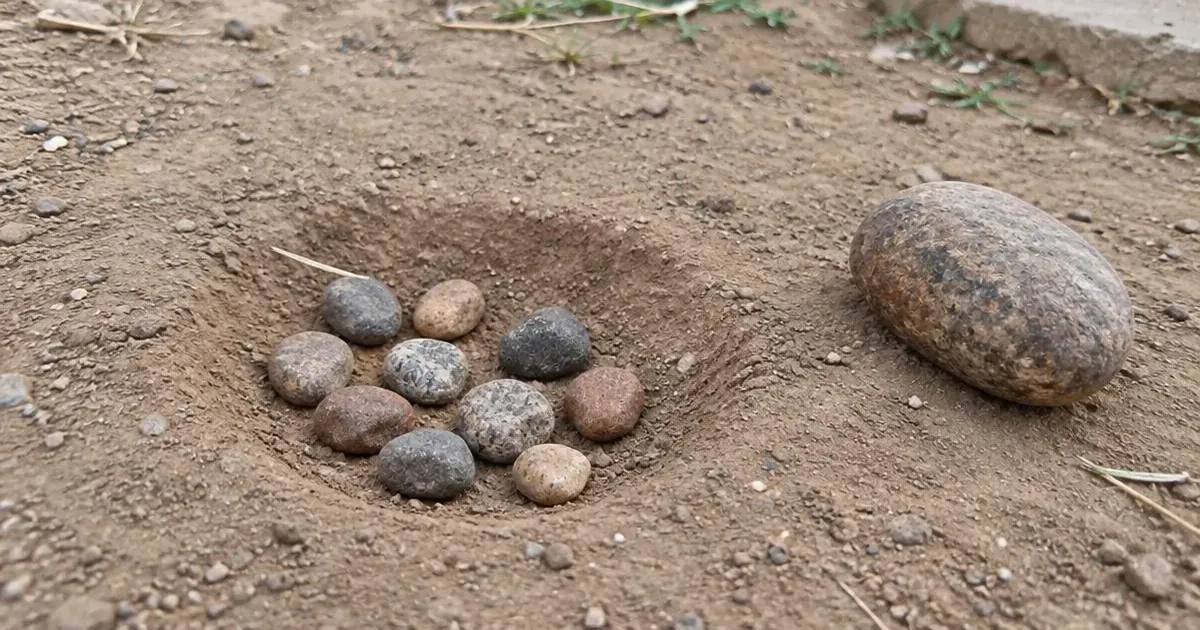
Diketo is a traditional Southern African game involving stones and a throwing action.
A player throws one stone into the air while attempting to collect or manipulate other stones before catching the airborne stone.
The exact rules and playing methods can vary between communities.
The game requires players to develop rhythm, timing and accurate hand movements.
It is particularly interesting because it shares some broad characteristics with other traditional pebble games found across the region, including Zimbabwe's Nhodo.
However, the games should not automatically be treated as identical. Local names and rules are important parts of their individual identities.
3. Morabaraba – Southern Africa
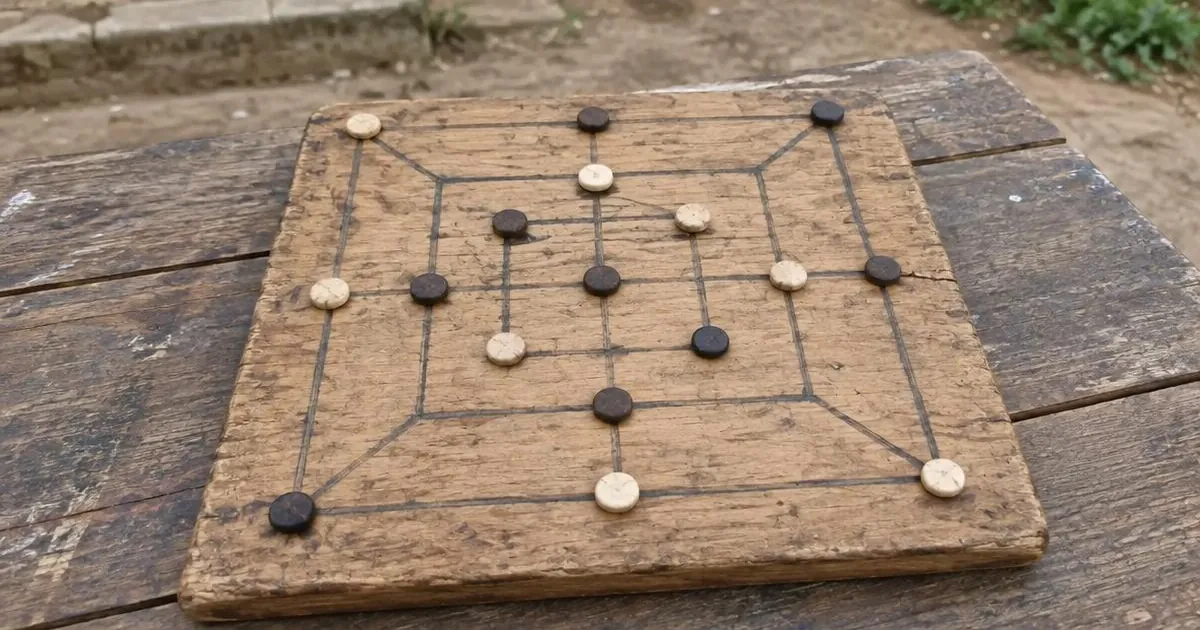
Country: South Africa, Lesotho and Botswana
Type: Strategy board game
Equipment: Board and playing pieces
Morabaraba is a traditional two-player strategy game widely associated with Southern Africa.
Each player controls a collection of pieces, traditionally referred to as cattle.
The objective is to arrange three pieces in a straight line, forming what is known as a mill.
Creating a mill allows a player to remove one of their opponent's pieces, subject to the game's rules.
Players must think ahead, protect their positions and anticipate their opponent's movements.
Morabaraba is an excellent example of the strategic depth found in traditional African games.
It has also become an important part of organised indigenous games activities in South Africa.
4. Oware – Ghana and West Africa
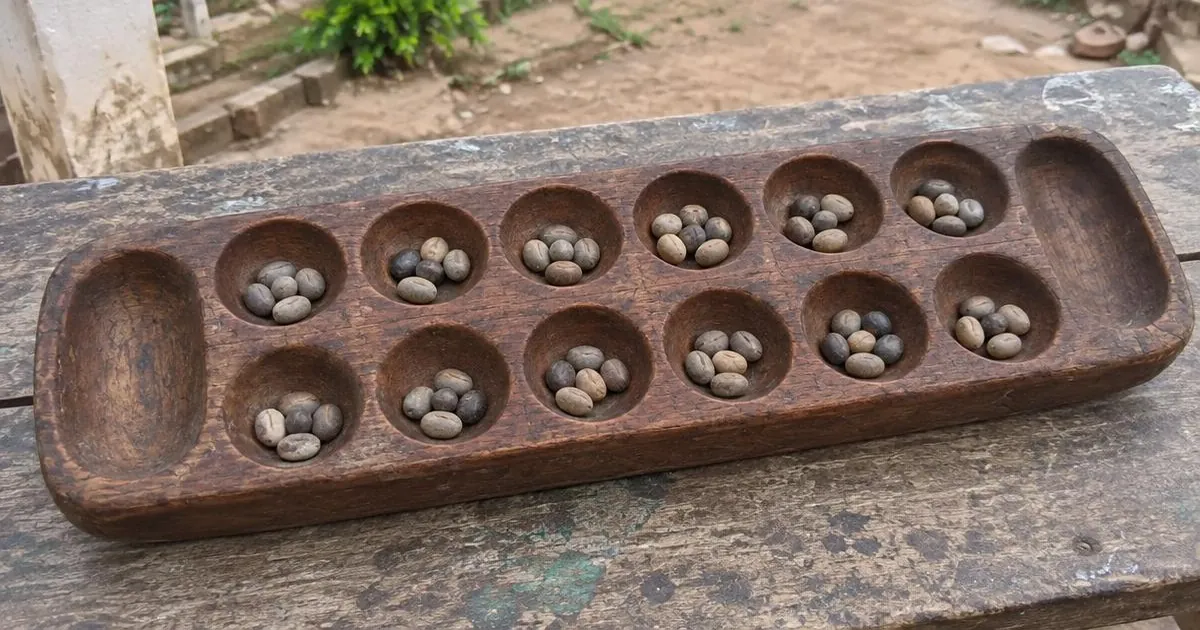
Country: Ghana and other West African communities
Type: Strategy and counting board game
Equipment: Board, seeds or counters
Oware is one of the best-known games in the Mancala family.
It is particularly associated with Ghana and is played in different forms across West Africa and beyond.
The game generally uses a board containing two rows of six pits, with seeds or counters distributed between them.
Players take turns picking up seeds from one pit and distributing them around the board according to the rules.
The objective is to capture more seeds than the opponent.
Oware encourages strategic thinking, counting, planning and anticipation.
Although the equipment is simple, experienced players can develop sophisticated strategies.
5. Shisima – Kenya
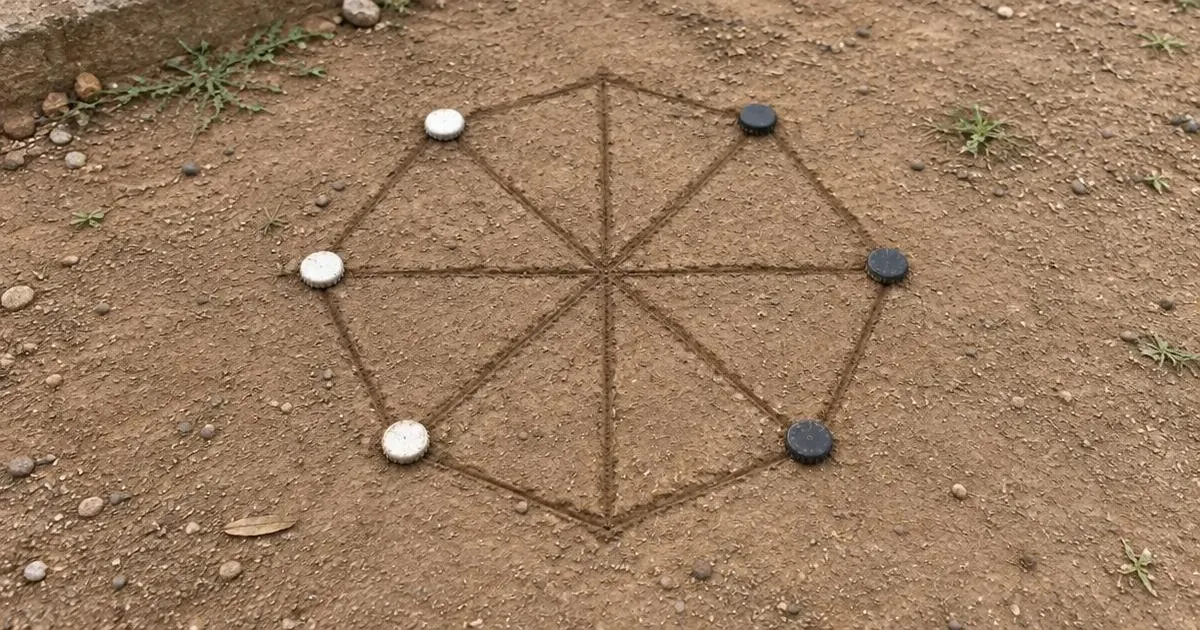
Country: Kenya
Associated community: Tiriki
Type: Strategy board game
Equipment: Board and six playing pieces
Shisima is a traditional Kenyan strategy game associated with the Tiriki community.
The name is connected to the concept of a water source.
The board has an octagonal layout with lines connecting positions through a central point.
Two players each control three pieces.
Players take turns moving their pieces between connected positions, attempting to arrange all three of their pieces in a straight line.
The game is relatively easy to understand but requires players to think carefully about positioning and their opponent's next move.
Shisima is an excellent example of how simple boards can create engaging strategic challenges.
6. Draft (Draughts) – Zimbabwe
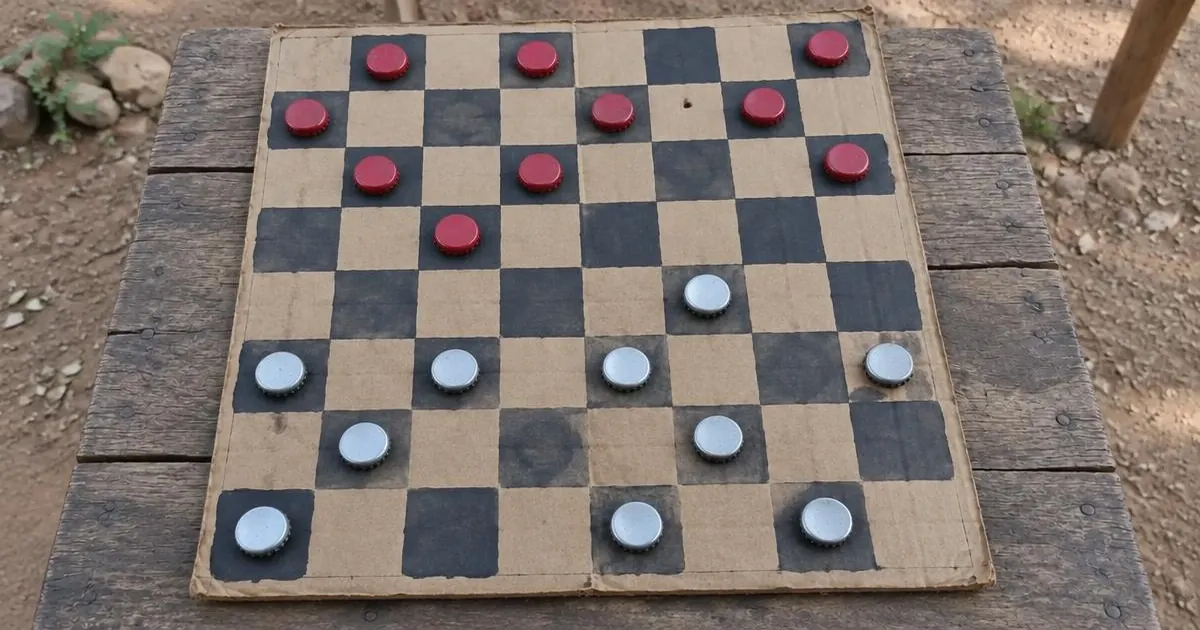
Country: Zimbabwe and many other countries
Type: Two-player strategy board game
Equipment: A chequered board and two distinguishable sets of counters, often bottle tops
Known informally as draft, draughts is a familiar strategy game in Zimbabwe. Players can make a board from cardboard or wood and use differently coloured bottle tops as counters, turning everyday materials into a competitive game.
Two players move their pieces diagonally across the playable squares. Captures are made by jumping over an opponent's piece into an empty square beyond it. A piece that reaches the opposite end is promoted to a king, giving it greater movement options according to the version being played.
The aim is to leave your opponent with no pieces or no legal moves. Players must plan ahead, spot capture sequences and avoid leaving their own counters exposed.
Rules for kings, captures and drawn endings vary, so players should agree on their local rules before starting. Draughts is not unique to Zimbabwe and did not originate there; its place here reflects the way Zimbabwean communities have made it part of everyday play.
Zimbabwe also has competitive draughts players. ZimEye reported Zimbabwean success in an African online draughts competition, showing how a familiar social game can become a serious strategic pursuit.
Why Traditional African Games Matter
Traditional games are an important part of cultural heritage.
They provide an insight into how previous generations entertained themselves, interacted with one another and developed different skills through play.
Here are five reasons why preserving them matters.
1. They preserve cultural heritage
Traditional games often carry local names, stories and customs.
Learning how a game is played can also introduce younger generations to the communities and traditions associated with it.
2. They bring people together
Many traditional games involve friends, siblings, families and entire communities.
They create opportunities for communication, friendly competition and shared experiences.
3. They encourage physical coordination
Games involving throwing, catching, running and jumping require players to coordinate their movements and respond to changing situations.
4. They develop strategic thinking
Board games such as Morabaraba, Oware and Shisima encourage players to think ahead, recognise patterns and make decisions.
5. They connect generations
Parents and grandparents can introduce children to games they enjoyed growing up.
These experiences help preserve memories and create opportunities for cultural knowledge to be shared.
Are Traditional African Games Still Played Today?
Yes. Many traditional African games continue to be played in communities, schools, families and organised sporting events.
In South Africa, for example, the Department of Sport, Arts and Culture has supported the promotion of indigenous games through organised festivals and competitions.
Games such as Diketo and Morabaraba have been included in these initiatives.
Traditional board games such as Oware and Shisima also continue to attract players who enjoy strategy and cultural games.
However, the popularity of individual games varies between communities.
Some remain familiar parts of everyday life, while others are played less frequently than in previous generations.
This makes documentation, education and cultural preservation particularly important.
Bringing Traditional African Games Into the Digital World
Technology has transformed how people discover and experience games.
But digital entertainment does not have to mean leaving traditional games behind.
Mobile games provide an opportunity to introduce traditional gameplay to people who may never have experienced it before.
A well-designed digital adaptation can help preserve the basic mechanics of a traditional game while making it accessible to a wider audience.
Nhodo is one example.
Inspired by the traditional Zimbabwean pebble game, the Nhodo mobile game brings the challenge of timing, precision and coordination to a modern gaming experience.
Players interact with a larger Mother Pebble, known as Amai, and smaller Child Pebbles, known as Vana.
The objective is to perform the required actions with the smaller pebbles while successfully catching the Mother Pebble before it lands.
As players progress, the challenges become more demanding.
It is a modern way to experience a traditional style of play while introducing its name and heritage to a new generation.
Want to experience Nhodo?
Discover the game, explore its challenges and see how a traditional pebble game can be brought to your phone.
Discover Nhodo and start playing.
Frequently Asked Questions About Traditional African Games
Traditional African games are recreational activities that have been developed and passed down through generations within different African communities. They include board games, pebble games, running games, jumping games and team activities.
Examples include Nhodo, Diketo, Morabaraba, Oware and Shisima. Draft (draughts) is also enjoyed in Zimbabwe, although it is not uniquely African in origin. Popularity and rules vary between countries and communities.
Nhodo is a traditional Zimbabwean pebble game associated with Shona culture. It involves throwing a larger pebble into the air while performing actions with smaller stones before catching the larger one.
Nhodo and Diketo are distinct traditional pebble games associated with different Southern African communities. Both involve throwing and manipulating stones, but their local rules, names and playing methods can differ.
It is difficult to identify one definitive oldest African game. Many traditional games have been passed down orally for generations, making their exact origins difficult to establish. Mancala-family games have particularly long histories across Africa and other parts of the world.
Nhodo and Diketo can be played using ordinary stones. Shisima can be played with a board drawn on the ground and six simple counters. Draft (draughts) can be played on a homemade chequered board using bottle tops.
Final Thoughts: Keeping the Tradition Alive
Traditional African games are more than activities from the past. They represent creativity, cultural identity, community and the different ways generations have found enjoyment through play.
From the strategic thinking involved in Morabaraba and Oware to the timing and coordination required in Nhodo and Diketo, these games demonstrate the diversity of traditional play across the continent.
Some games require a board. Others need only a rope, a few sticks or a handful of stones.
As technology continues to change how people entertain themselves, there is an opportunity to introduce these traditions to new audiences without forgetting where they came from.
The next generation should have the opportunity to discover the games their parents and grandparents grew up playing.
Sometimes, all you need is a handful of stones to create a game worth remembering.
Have you played any of these games growing up? Which traditional game should we feature next? Share your memories and help keep these games alive.
Sources and Further Reading
Game rules, names and terminology vary between communities and regions.
- South African Department of Sport, Arts and Culture – Indigenous Games Festival
- South African Department of Education – Indigenous Games Rule Book
- Open University – The Cultural Game of Africa
- South African Journal of Education – Traditional Play and Child Development
- Paukwa – Shisima, a Traditional Kenyan Game
- ZimEye – Zimbabwe Are Online Draughts Champions in Africa